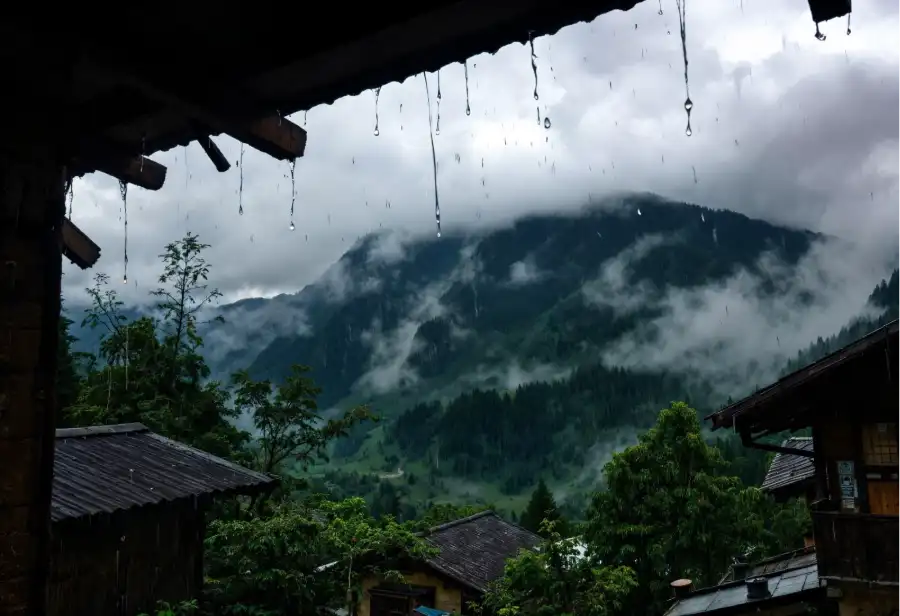
Every year, as children begin to pack their school bags, June ushers in the dark grey clouds along the coast. After the scorching summers, this is an arrival that’s welcomed with love. The pitter-patter of rain, the cooling mist, colourful umbrellas, and the rain-soaked scent of earth…this is indeed a season of sensory delight. It is also a good time to buy a home.
However, with the monsoon and its nostalgia comes the real cause of damage and disease, mould. It threatens your property in Goa and makes home care tips absolutely essential.
The Goan monsoon, of course, is intense. And naturally, so must be your preparation to protect your home during the rains. But before we get into monsoon prep, let us talk about mould.
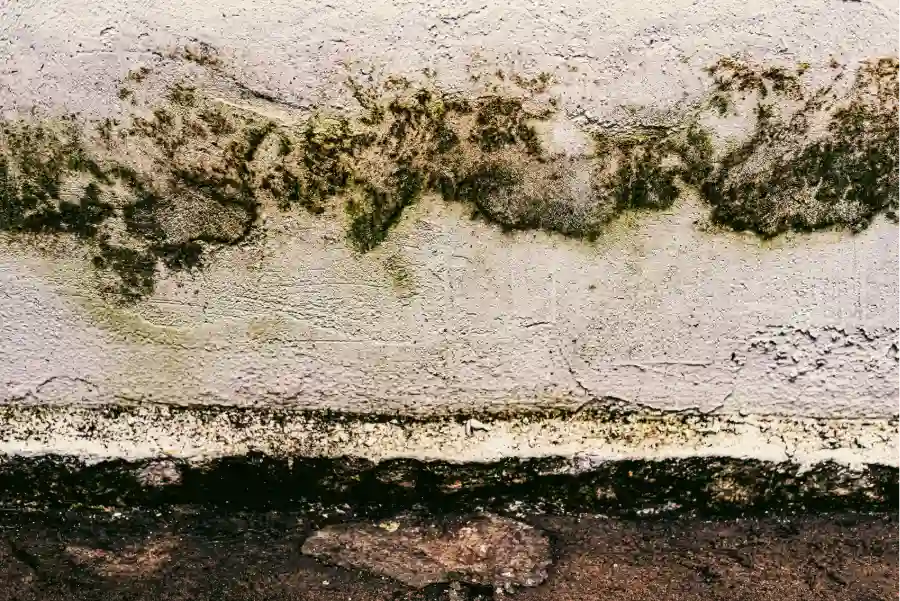
What is Mould?
It is basically a fungal growth that thrives in humid places. Known to cause and worsen serious respiratory illnesses, this little organism is not just visually unappealing but is also a major health hazard. It spreads quickly and is definitely not picky about where it grows. From damp walls and furniture to fabrics, mould spares very few surfaces.
Now the question is: Can this be prevented? Absolutely! And you are just in the right place to learn how.
Here are 6 non-negotiable checks and fixes to ensure your property in Goa is mould-free and comfortable during the season.
Check for Cracks
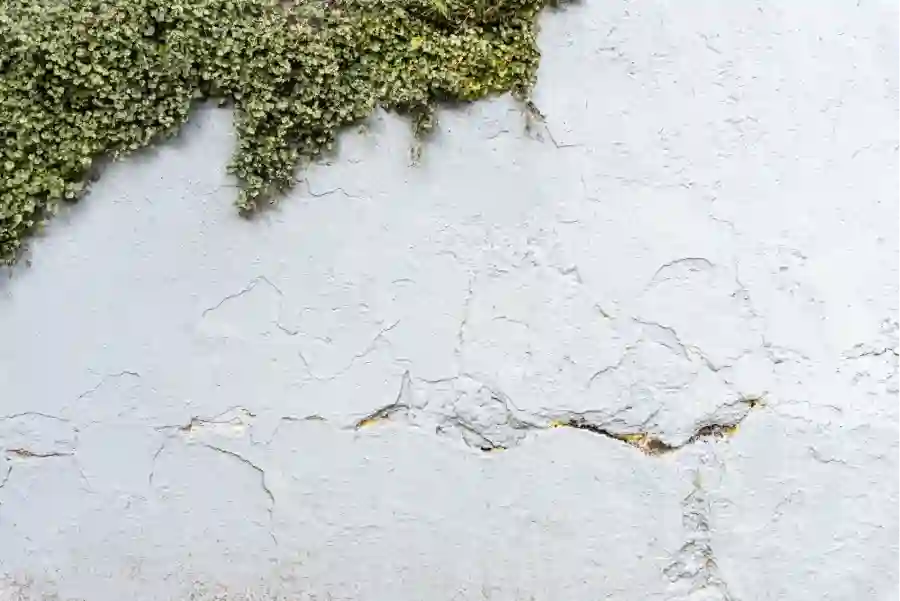
Most leaks are a result of cracks in walls and roofs. Check for any wear and tear on the exteriors and ceilings. It is suggested to use mortar for wall repairs, and for roofs, you may use white cement. Adding a waterproof layer can also increase the durability of the wall. This simple but crucial pre-monsoon check can save you trouble and ensure your property in Goa is sheltered from the storm.
Protect Your Walls
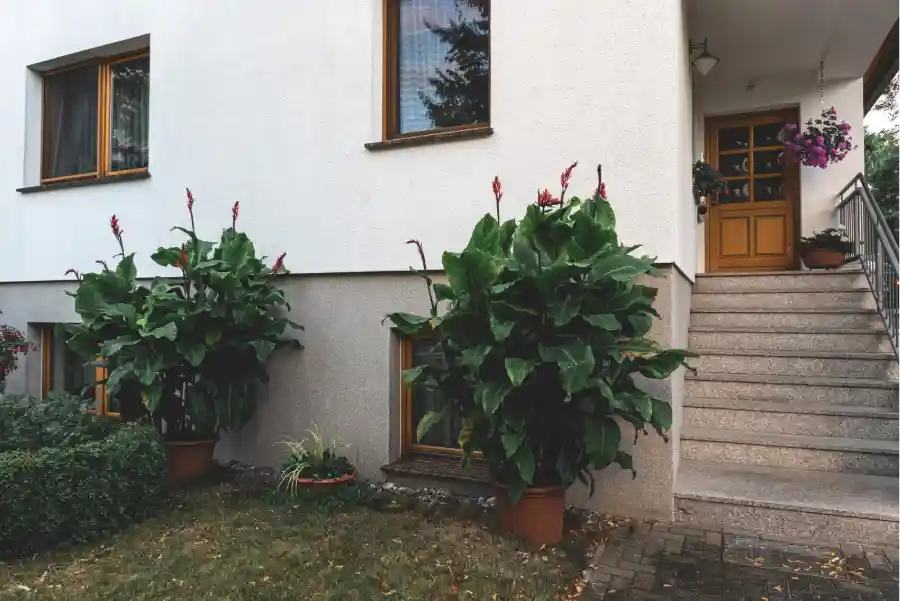
The first line of defence against dampness is the material of your walls. Here’s how you can ensure that every layer of your property in Goa repels moisture:
- Opt for concrete waterproofing or silicate-based concrete sealer.
- Choose a good quality exterior paint that’s water-resistant to prevent seepage and algae growth.
- Inspect and repair damages promptly.
- Get a professional assessment done to fix any unnoticed issues.
Clean Drains and Pipes
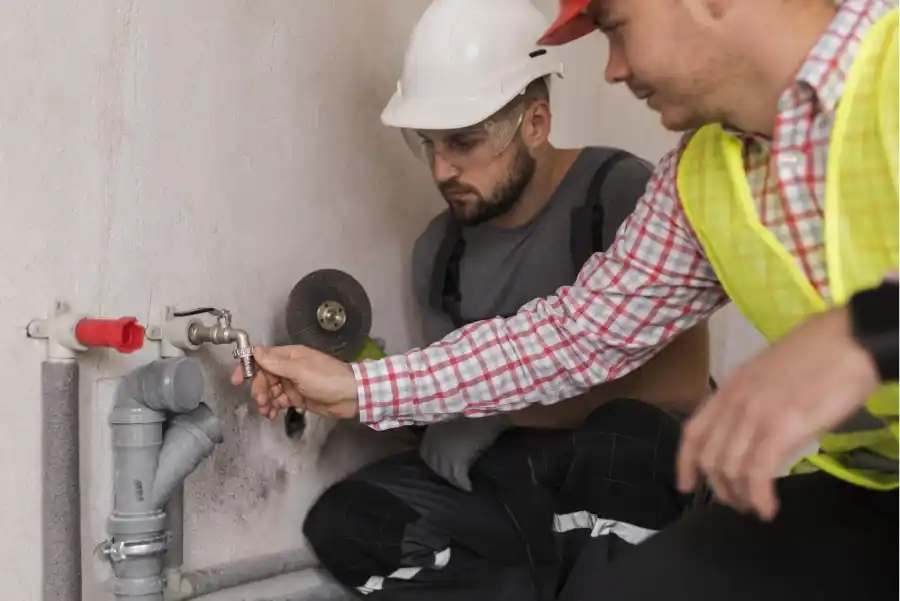
It isn’t enough to secure and seal cracks, water must also be directed away from the wall and roofs. Clean drains and spouts do this job. Hence, it is important to clear debris from pipes and drainage before the downpour so that water flows freely. Apart from this, check for broken pipes in the interior and exterior walls to prevent continuous leakages that may remain hidden.
Inspect Wiring and Electrical Appliances
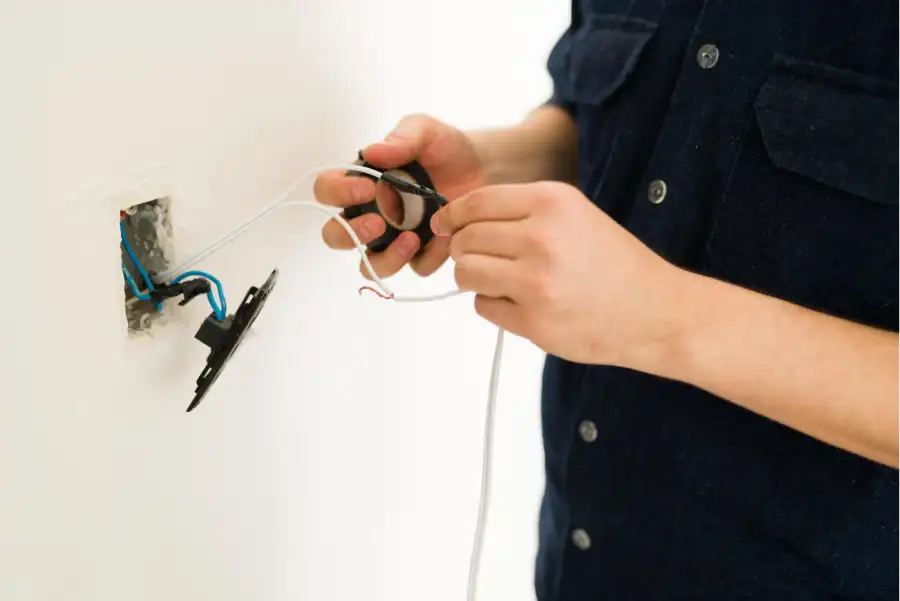
The last thing you want during the rains is faulty electrical outlets. So, as summers come to an end, it is advisable to call an electrician and check all sockets and switches. Make sure that no wiring is loose, open or exposed to water. During the rains, unplug appliances that are not in use.
Waterproof Wooden Frames and Furniture

Apply a protective coat of varnish or wax to all items made of wood and bamboo in your household. Before the monsoon begins, seal these items as they are most prone to damage during the rains. For a property in Goa with huge windows like the Fernandes House in Panjim, move your furniture away from open windows. This will prevent direct exposure to rainwater.
Use Natural Methods to Combat Indoor Dampness
There are various benefits of adding natural elements to your home. Here are a few that are perfect for your property in Goa during the monsoon.
- Add plants that absorb dampness
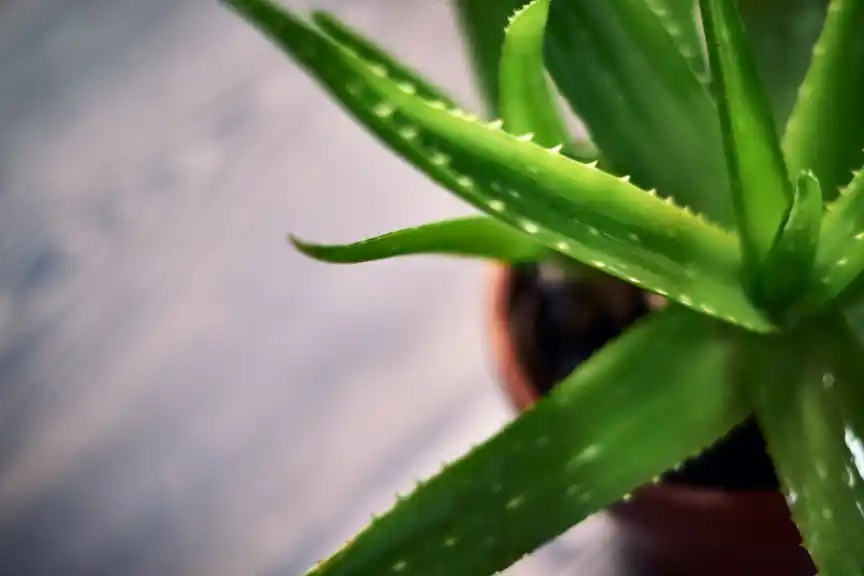
Plants like peace lily, snake plant, and aloe vera absorb moisture while releasing chemical compounds that prevent mould growth. Bathrooms often become a breeding ground for mould, and a few indoor plants like Monstera or Pothos offer an excellent solution.
- Use sea salt in rooms
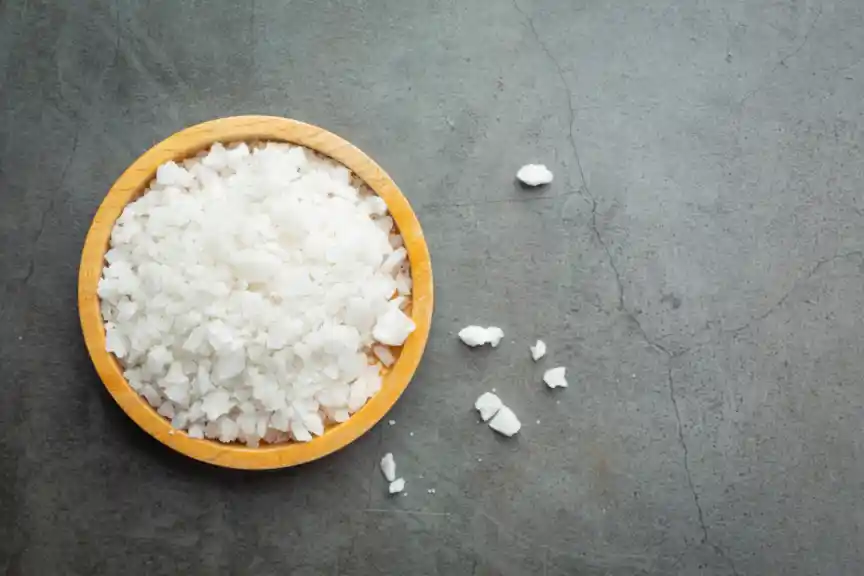
Place small bowls of sea salt around the room to naturally absorb moisture from the air. Replace them every few days for better results.
- Replace heavy fabrics with linen and cotton

Picture this: After a tiring day of work, you return home after battling the rains and winds, only to be welcomed by the mouldy smell of damp fabric. You inspect what could have gone wrong. All your clothes are dry, and the furniture was treated as well.
So, where was the mildew coming from? Turns out, we neglected the heavy curtains.
To make your property the best place to stay in Goa during the monsoon, replace velvet and synthetic curtains with easy-to-dry natural materials like linen and cotton.
Now, while you are at it, store those carpets away as well.
- Ensure smooth airflow
Good ventilation is your best friend during the rains. Open the windows when it is not pouring, use exhaust fans, and a dehumidifier to keep the air fresh.
Here’s a quick guide to protect your home this season.
- ✔ Waterproof exterior walls
- ✔ Seal and secure cracks
- ✔ Clean drains and pipes
- ✔ Inspect electrical wiring and appliances
- ✔ Treat wooden furniture and frames
- ✔ Add indoor plants that absorb moisture
- ✔ Use sea salt in rooms to reduce humidity
- ✔ Switch to light fabrics like cotton and linen
- ✔ Store away rugs and carpets
- ✔ Ensure proper airflow
The Goan monsoon is undoubtedly a beautiful experience. With thoughtful preparation and careful fixes, your property in Goa can become a soulful and safe retreat during this cosy season. After all, the rains are about moments spent sipping chai by the window, not dealing with leaks, dampness, and decay.
Looking for a monsoon-ready home? Check out Satt Adhar’s Skyline Harmony in St. Inez, Panjim. Designed to withstand the dramatic showers and offer modern comfort, this might just be your perfect property in Goa.