

A home can look perfect on a breezy winter afternoon. But what happens when summer peaks or the monsoon settles in? That’s the real test. Summer in Goa differs from the Winter months drastically. If you’re planning on living in Goa long term, comfort isn’t just about design or décor. It’s about how your space responds to heat, humidity, and heavy rains. A home in Goa should feel just as liveable in May as it does in December.
So, how do you actually tell?
What Makes a Home Comfortable in Goa Year-Round?
Goa’s tropical climate isn’t extreme, but it is persistent. Heat, humidity, and seasonal rains all play a role in how a house feels day to day.
A comfortable home in Goa manages three things well: airflow, light, and moisture. Too much direct sunlight can heat up interiors. Poor ventilation traps humidity. Weak construction struggles during the monsoon.
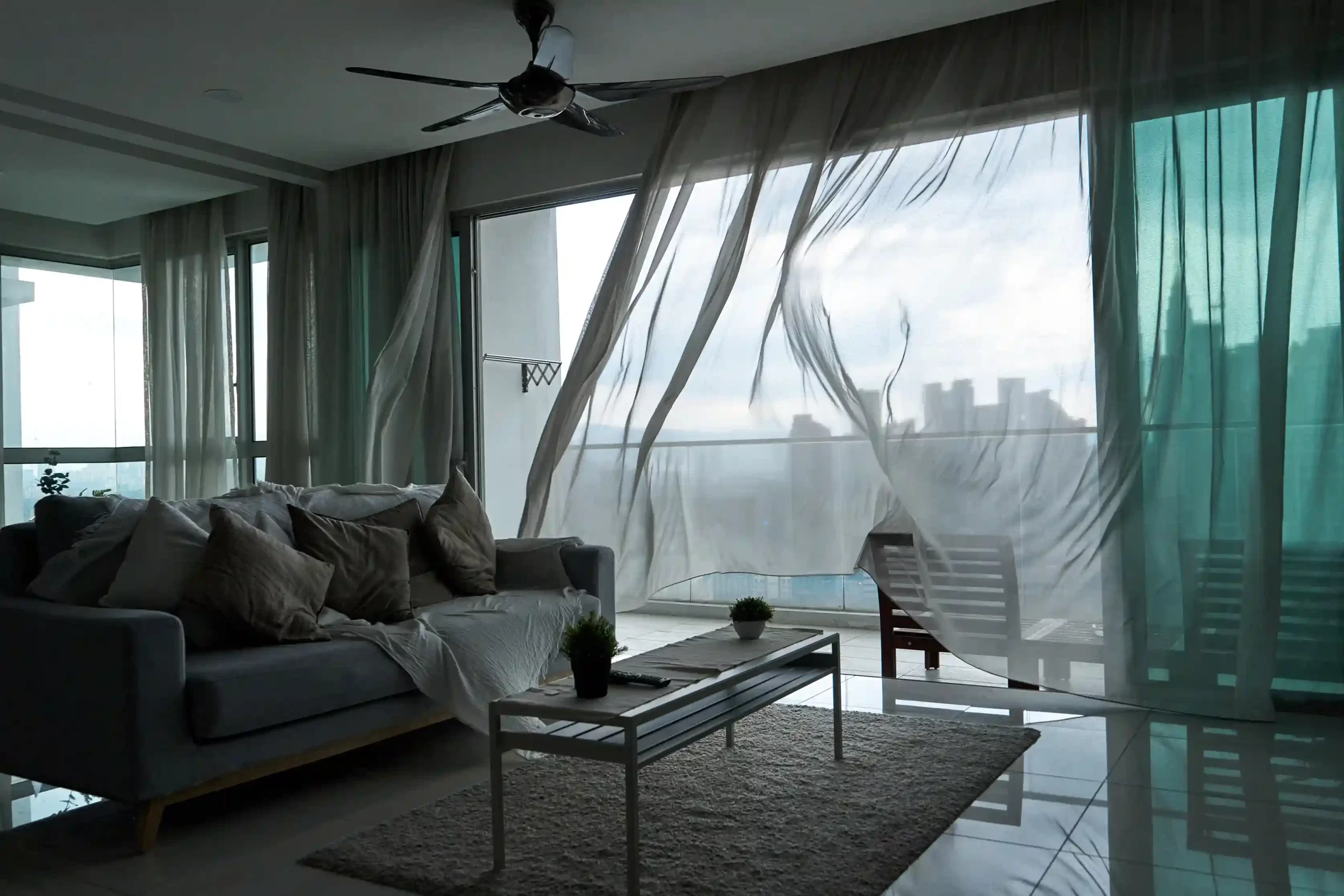
That’s why comfortable homes in Goa are usually designed with climate in mind, not just appearance.
How to Check Ventilation in a Home in Goa
Walk into a room and pause. Does the air feel still, or does it move?
Natural airflow is one of the simplest indicators of comfort. Open windows and doors. Check if there’s cross ventilation. A well-planned home in Goa allows air to pass through easily, keeping spaces cooler without relying entirely on air conditioning.
Homes with windows on opposite walls, open balconies, or unobstructed layouts tend to perform better. This becomes especially important for everyday living in Goa, where comfort needs to be consistent.
How to Watch for Sunlight and Heat?
Light is important, but too much of it can turn a room into a heat trap.
Notice how sunlight enters the home during different times of day. Harsh afternoon exposure, especially from the west, can raise indoor temperatures significantly. This is where building orientation and shaded balconies make a difference.
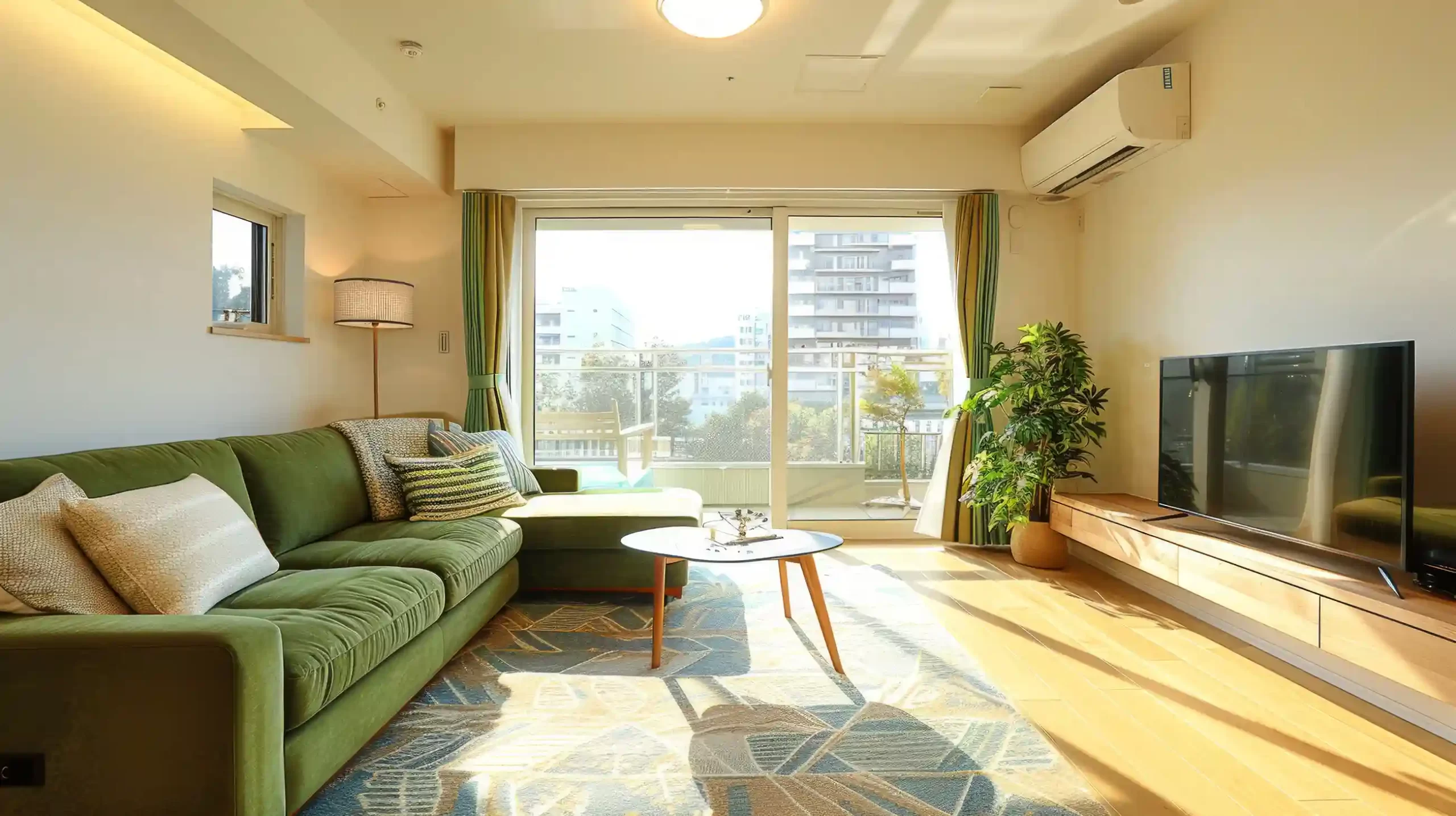
A thoughtfully designed home in Goa balances brightness with protection. You want light that feels inviting, not overwhelming.
How Homes in Goa Handle Summer and Monsoon
A house that works in summer but fails in the monsoon isn’t truly comfortable.
Look closely at monsoon durability. Are there signs of damp patches, water stains, or poor sealing? Check the drainage systems around the building. Water should flow away easily, not collect near entrances or parking areas.
Living in Goa during summer means the heat is the challenge. During the rains, it’s moisture. A reliable home in Goa should handle both without constant repairs.
How to Check for Wear and Tear in a Home in Goa?
Goa’s coastal setting affects how materials age. Salt in the air, humidity, and rain all contribute to wear and tear.
Check the quality of finishes. Are metals protected against rust? Are walls treated for humidity control? Good insulation and materials reduce long-term maintenance and improve comfort.
Outdoor Escapes: Hidden Picnic & Sunset Spots
Where Can You Find Tranquil Summer Retreats in Goa?
Goa is full of underrated pockets suitable for picnics and sunsets. Just a ferry ride away, Divar Island offers quiet village trails, while the hinterland lakes and ponds give you the ideal spots to soak in nature. You can even spend a day at Sweetwater Lake near Arambol.
Owning a home in Panjim means these secret gems are never too far. Whether it’s a weekend getaway or a quick evening retreat, you can savour tranquil summer moments without the crowds.

If you’re considering buying flats in Goa, especially in modern developments, ask about maintenance practices. Well-managed apartments in Goa often handle these issues better due to regular upkeep.
Is a Sea-Facing Home Practical Year-Round?
Sea views are tempting. But are they always practical?
While a sea-facing home in Goa offers stunning views, it also comes with stronger winds, higher humidity, and faster wear on materials. The difference between a home that ages well and one that doesn’t often comes down to how it’s built.
This is where the right builder makes a real impact. Thoughtful design can reduce many of these challenges. For instance, using corrosion-resistant materials for railings and fixtures helps manage the effects of salty air. Proper sealing around windows and doors improves humidity control, while well-planned natural airflow ensures that moisture doesn’t get trapped indoors.
Orientation also plays a role. A carefully positioned home in Goa can still capture sea views without taking the full force of direct sun or wind. Features like shaded balconies, deeper overhangs, and strategic window placement help maintain comfort while protecting interiors from excessive heat and exposure.

Equally important is long-term upkeep. Good builders factor in maintenance in coastal homes from the start, choosing finishes and construction methods that reduce frequent repairs. So while a sea-facing home may require more attention, a well-designed one can remain comfortable, durable, and easy to live in across seasons.
For long-term living in Goa, it’s not just about the view. It’s about how intelligently that view has been built around.
Why Location Matters More Than You Think
Comfort isn’t only about the house itself. In well-developed areas like Panjim, everyday living in Goa becomes easier because essentials are nearby. Shorter travel times reduce exposure to heat, and access to healthcare, markets, and services improves overall comfort.
That’s why many buyers prefer living in Panjim. Established residential areas in Panjim offer better infrastructure, reliable services, and a smoother daily rhythm.
For those exploring apartments in Panjim, this balance between location and livability becomes a key advantage.
A Simple Way to Test a Home Before You Decide
Before finalising a home in Goa, try this:
- Visit at different times of the day.
- Check how the space feels in the afternoon.
- Notice airflow, light, and temperature.
- Ask how the area behaves during the monsoon.
These small steps reveal far more than a single visit ever will.

Because when it comes to property in Goa, comfort is something you experience daily, not something you assume.
Choosing a Home That Works All Year
A well-chosen home in Goa supports your life quietly, across seasons.
Homes designed with airflow, thoughtful orientation, and strong construction make living in Goa feel effortless, even during peak summer or heavy rains.

Developments like Skyline Harmony by Satt Adhar reflect this approach. Located within Panjim, they offer connected living, easier access to essentials, and homes designed to handle Goa’s climate with care. For anyone considering buying flats in Goa, it’s worth thinking beyond aesthetics and focusing on how a home will feel every single day.
Because in the end, the right home in Goa is all about how comfortably you live there, through every season.
FREQUENTLY ASKED QUESTIONS
Why is Panjim ideal for a summer home?
Panjim offers a mix of city comforts and convenient access to beaches and greenery. Whether it’s for a summer getaway or a permanent home, living here means embracing the susegad Goan lifestyle with pretty views and cultural experiences just around the corner.
What outdoor amenities can I enjoy near homes in Panjim?
From Miramar and Bambolim Beaches to riverside walks along the Mandovi, offbeat picnic spots, family-friendly parks, and cosy cafés, Panjim has everything for anyone who loves outdoor living.
Are Panjim properties good for families with kids?
Definitely. Parks like Campal Gardens and Jardim Garcia de Orta, educational spots like the Planetarium, and nearby wildlife sanctuaries make Panjim a fantastic place for children to play, explore, and connect with nature.
Are there homes that give access to all these outdoor experiences?
Absolutely. Properties like Satt Adhar’s Skyline Harmony in St. Inez bring urban comforts together with proximity to beaches, rivers, parks, and social spots, making it easy to have a good outdoor lifestyle every day.